October 12, 2026 · Indumor
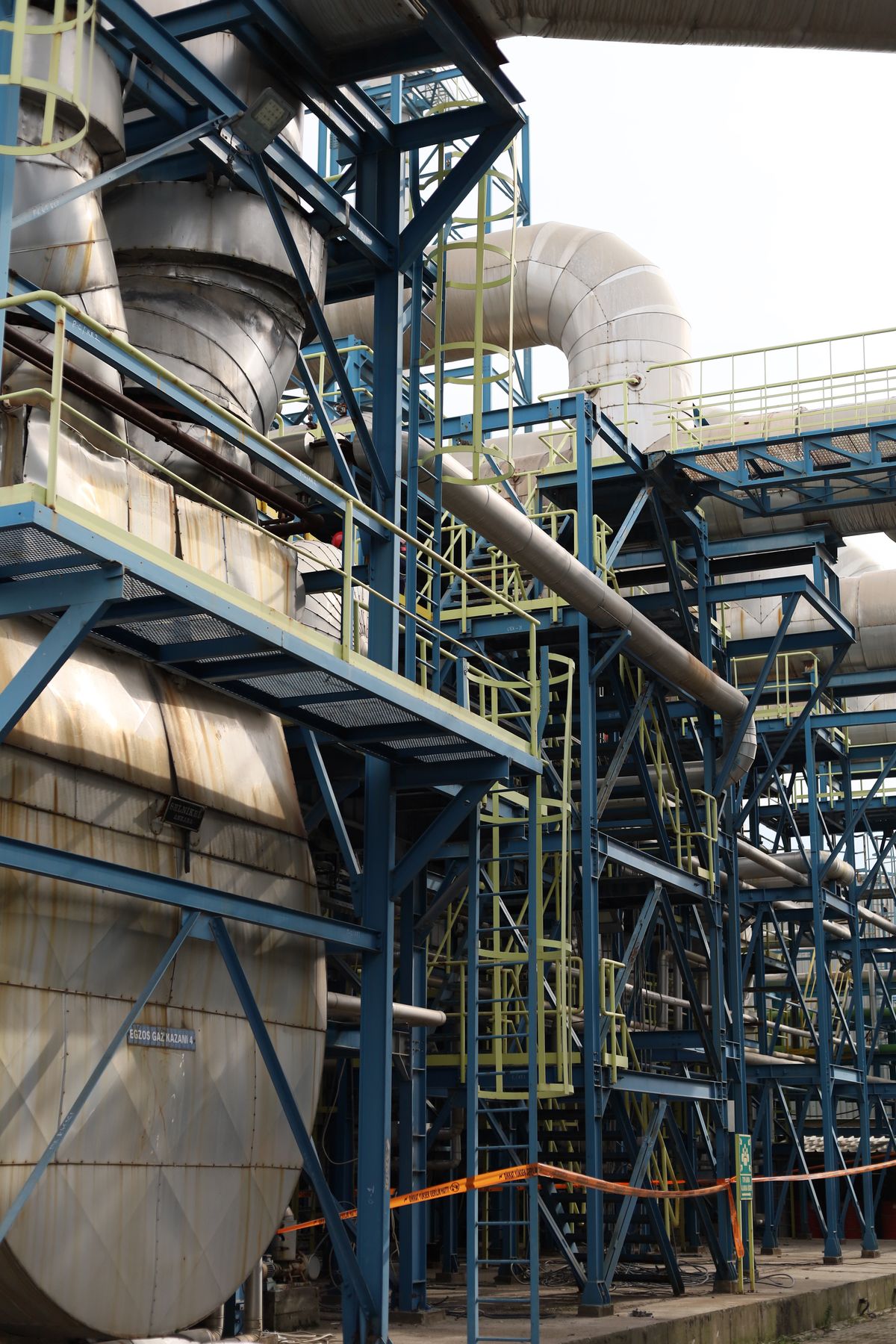
Stairs and railings are the first thing an inspector looks at and the last thing that should fail in your plant: accidents, fines and insurance ride on them. At Indumor we fabricate them to meet labor safety regulations and international good practice (OSHA-style criteria for US clients).
Treads of 10-12 in, risers of 6-7 in, and the golden rule: all IDENTICAL — the odd step is the one that trips. Comfortable minimum width 28-32 in, landings every ~10 ft of rise, and non-slip flooring (checker plate or grating).
Vertical ladders take a safety cage above ~8 ft depending on code, and a self-closing gate at the top. They are for occasional access: if someone climbs daily with tools, a 45° stair is the right answer.
Clean welds without sharp edges, bolted connections with every bolt in place, galvanizing or paint per environment, and firm anchors: a loose railing is worse than none, because it invites leaning. We fabricate stairs, railings and platforms with dimensional verification and installation included.
We survey your access structures and quote the fix.
© Indumor 2010–2026 — Industrial steel fabrication, Córdoba, Argentina
