October 17, 2026 · Indumor
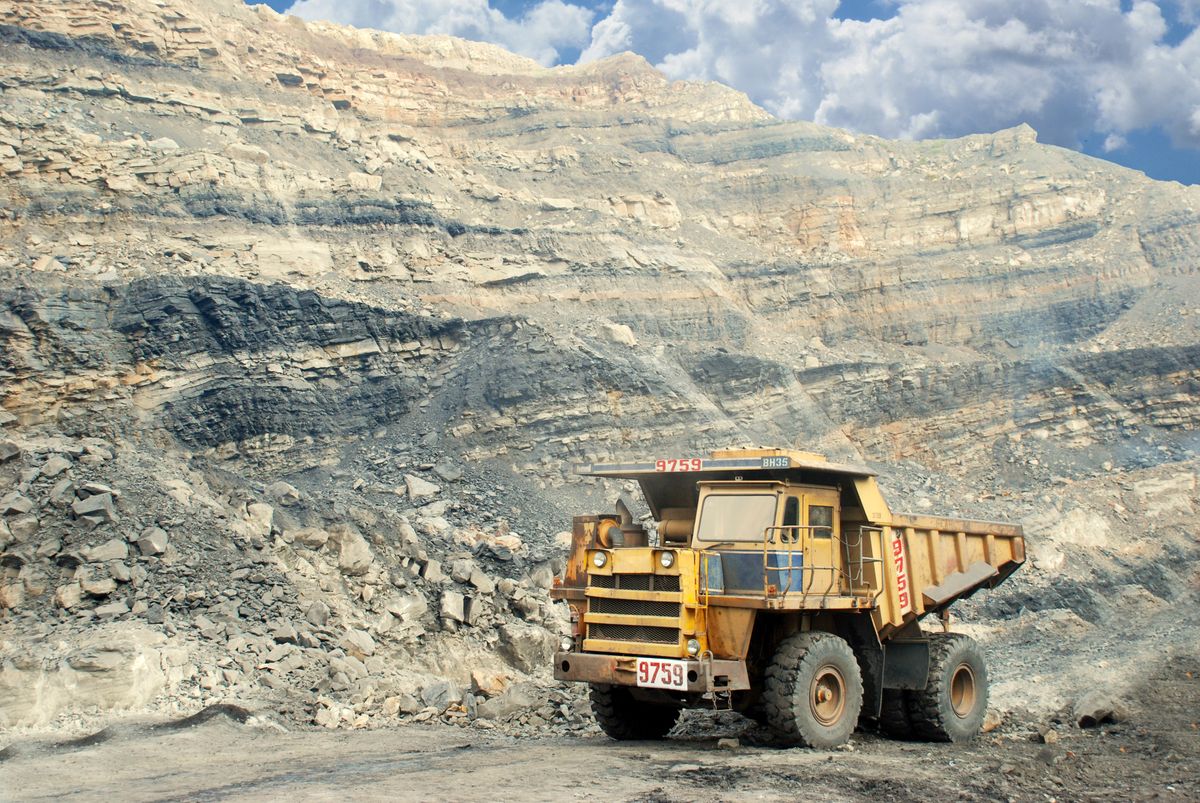
Leave the city of San Juan on Route 40 heading north and the landscape turns from vineyard to desert in under an hour. Past Jáchal you cross into La Rioja, and at Guandacol a road of roughly 200 kilometers starts climbing the Andes toward the Batidero camp, above 4,000 meters. Up there the wind never stops, it snows in winter, and hundreds of people are working on what may become the largest copper mine in Argentine history. Meanwhile, at some desk, someone is drawing up the list of everything that must be bought to build it. A good share of that list is steel.
San Juan holds Argentina’s most important copper pipeline today, with one change that matters more than any other: several projects already have approval under the RIGI — Argentina’s Incentive Regime for Large Investments — and real dates. For a fabricator like Indumor, building structures, hoppers and tanks in Córdoba, the question is no longer whether there will be work, but what gets bought, when, and under which requirements. Here they are project by project, in two voices: what the paperwork says, and what it means on the shop floor.
What the paperwork says. Vicuña is the 50/50 joint venture of BHP and Lundin Mining that brings together the Josemaría and Filo del Sol deposits in Iglesia department, on the Chilean border. Its February 2026 economic assessment projects an average of 395,000 tonnes of copper per year over 25 years, plus gold and silver, with a mine life beyond 70 years. On June 16, 2026 its RIGI application was approved with a US$9.737 billion plan. It moves in three stages: first the Josemaría pit with a sulfide concentrator; then an oxide plant at Filo del Sol using solvent extraction and electrowinning; finally expansions, a desalination plant and a concentrate pipeline. The final investment decision on stage one is expected before year-end.
What it means on the shop floor. A sulfide concentrator means crushing, grinding and flotation: steel buildings, feed hoppers, chutes, equipment supports and kilometers of platforms, stairs and railings. During construction the project estimates around 5,500 direct jobs on average. It already employs 2,743 people and works with 245 suppliers, 150 of them from San Juan. That is a lot of steel. And almost all of it has to arrive pre-assembled, because at 4,000 meters every hour of field welding costs several times what it costs in a shop.
What the paperwork says. In Calingasta, at about 3,500 meters, McEwen Copper is developing Los Azules, designed to produce copper cathode by leaching: no conventional tailings dam and roughly a quarter of the water a concentrator uses. It projects 205,000 tonnes a year over its first five years. It has held RIGI approval since September 2025 for US$2.672 billion, and in August 2026 it chose to bring power from a future substation in neighboring Mendoza.
What it means on the shop floor. Leaching changes the shopping list: less grinding, more piping, solution tanks and structures for the electrowinning tank house, where acid service makes material and coating choices critical. Much of it is repetitive — supports, walkways, frames — and pays to build in series. Series is cheaper. And faster.
What the paperwork says. Also in Calingasta, Glencore plans to build El Pachón from 2029, with concentrate from 2034 and a 185,000-tonne-per-day plant designed to grow. The area has no roads or power lines today: everything must be built. Nearby, Aldebaran’s Altar funded its prefeasibility study in 2026.
What it means on the shop floor. These are long-horizon projects, but what comes before a mine — drilling campaigns, camps, roads, power lines — gets built well ahead of the final decision. The supplier who reaches 2029 with years of track record in the province will have the edge.
What the paperwork says. Veladero, owned by Barrick and Shandong Gold in Iglesia, has a US$380 million RIGI plan to expand its valley leach facility. Gualcamayo, run by Minas Argentinas in Jáchal, approved US$665 million to move to pressure oxidation, with construction expected around late 2027. And Hualilán, in Ullum, started operating in 2026, processing its ore at the Casposo plant in Calingasta.
What it means on the shop floor. Operating mines are the steadiest customer: wear liners and spares, structural maintenance, expansions. The calendar rules there. A part that arrives for the plant shutdown is worth gold. One that arrives a week later is not.
What the paperwork says. In July 2026 San Juan passed Law 2728 on Local Mining Development. It sets targets of 60% local purchasing and 80% local employment, creates a provincial mining supplier registry, and allows exceptions where local supply falls short on quality, technical capacity, volume, timing or price.
What it means on the shop floor. A Córdoba shop is not “local” under that law, and that is fair. What we bring is what any boom runs short of: heavy fabrication capacity — 80,000 sq ft under roof and 150 workers per shift — working alongside San Juan contractors who erect and maintain on site. Built right, that partnership helps everyone hit their targets.
To understand where this wave of projects comes from, read Argentina’s RIGI explained for suppliers. If northern lithium and copper interest you, continue with mining in Catamarca; and for the list of what gets fabricated at any mine, start from steel fabrication for mining. If you already have a bid package in hand, send it over — we quote in English, with real lead times.
Heavy fabrication from our own plant in Córdoba, alongside local contractors.
© Indumor 2010–2026 — Industrial steel fabrication, Córdoba, Argentina
