October 19, 2026 · Indumor
“The harness is the last resort, not the first.” Any safety manager with years at a mine site says it, and it sums up an idea that sometimes gets forgotten: before asking someone to hang from a harness to work at height, ask why they do not have solid footing and a railing to work from. In a mine’s truck shop, that question has a concrete answer: well-designed maintenance platforms.
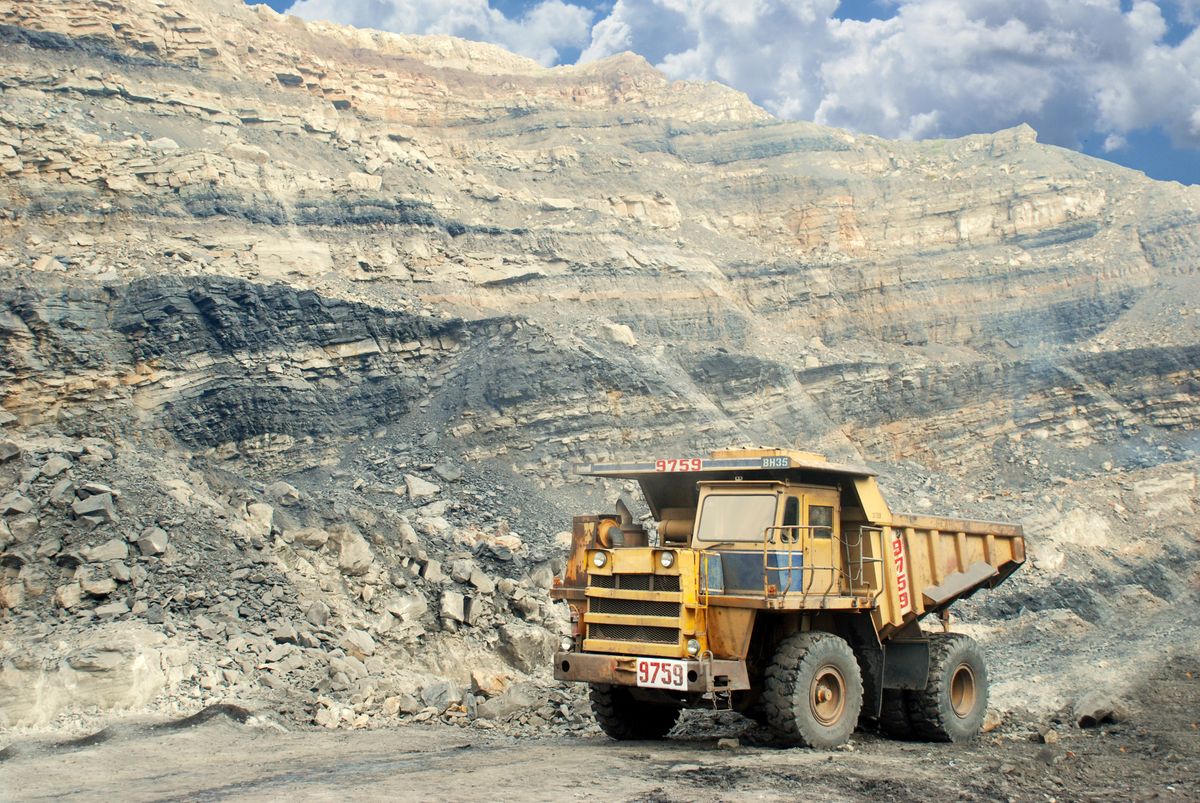
Haul trucks at large mines carry from two hundred to more than three hundred tonnes. They stand over six meters tall to the top of the cab, roll on tires nearly four meters in diameter and have components inspected several meters off the ground: engine, radiators, cab, hoist cylinders, body, wheel motors. Every service means climbing, and every climb is a chance to fall. Falls from height are among the most serious accidents at any mining operation; in Argentina the sector has its own health and safety regulation, Decree 249/2007, plus each operator’s internal standards, which are usually stricter still.
The engineering answer is access platforms: fixed, mobile or swing-out structures surrounding the truck in the shop, giving the mechanic a floor, a railing and a stair where there used to be a portable ladder leaning on a fender. Done right, besides preventing accidents, they speed up maintenance: the truck gets back to the pit sooner, and an hour of truck downtime is expensive. This is the checklist we use to design and build them.
Don’t do this: solve access to a 300-tonne truck’s engine with a portable ladder leaning on the fender, or with tube scaffolding put up “just this once”. Scaffolding is not designed for that use, the ladder slides on mud and oil, and the day someone falls, the investigation will find exactly that: there was a safe way to do it and it was not used.
The same logic applies elsewhere in the operation: wash bay platforms, where high-pressure water and mud make everything slicker; access to inspect truck bodies; tire-change structures; and platforms for loaders, drills and shovels. Every big machine has maintenance points at height, and each deserves safe access.
Tire changes deserve their own chapter. A haul truck tire nearly four meters in diameter weighs several tonnes and is handled with special equipment. Structures in that zone — supports, stops, platforms to reach the wheel nuts — are designed for impacts and loads that have nothing to do with an ordinary workshop.
A maintenance platform is not sized by eye. It is engineered for the people, tools and components set on it, with a deflection limit that keeps the floor from “bouncing” underfoot, and mobile platforms are checked for stability with their brakes and outriggers. A platform that vibrates or shifts, even if it never falls, breeds distrust, and people end up back on the old portable ladder.
Most of the time, platforms go into a shop that cannot stop working. So it pays to design them modular, pre-assembled and with anchoring that takes a few hours per bay, coordinated with the fleet maintenance schedule. Before fabrication, the floor, drains, columns and crane path get surveyed so nothing interferes on installation day.
Once installed, platforms become equipment that must be maintained: gates that close properly, wheels and brakes in good order, undamaged floors, tight bolts and sound welds. A simple inspection plan, with a checklist and a frequency, keeps the platform safe five years from now, not just on delivery day.
A good platform is not only a safety measure. It cuts the time of each job, because the mechanic works comfortably with tools at hand; it reduces damage to components handled without rushing; and it organizes the shop. In a fleet of dozens of trucks cycling through maintenance every day, those hours add up. The investment pays back in fleet availability, on top of lives protected.
General criteria for a well-built platform are in industrial platforms: what to demand, guardrail and stair numbers in industrial stairs and railings, and finishes by environment in paint, galvanizing or epoxy. At Indumor we design and build maintenance access platforms for mining equipment: modular, galvanized and documented, export-ready.
And back to the start: the harness is the last resort, not the first. First comes solid footing and a railing. Send us your fleet models and shop layout, and we will propose the platforms — in English.
The guardrails on these platforms deserve the same care as the structure: we build them to size, with their toe boards. See platform guardrails.
Send your fleet models and layout: we propose the platforms.
© Indumor 2010–2026 — Industrial steel fabrication, Córdoba, Argentina
