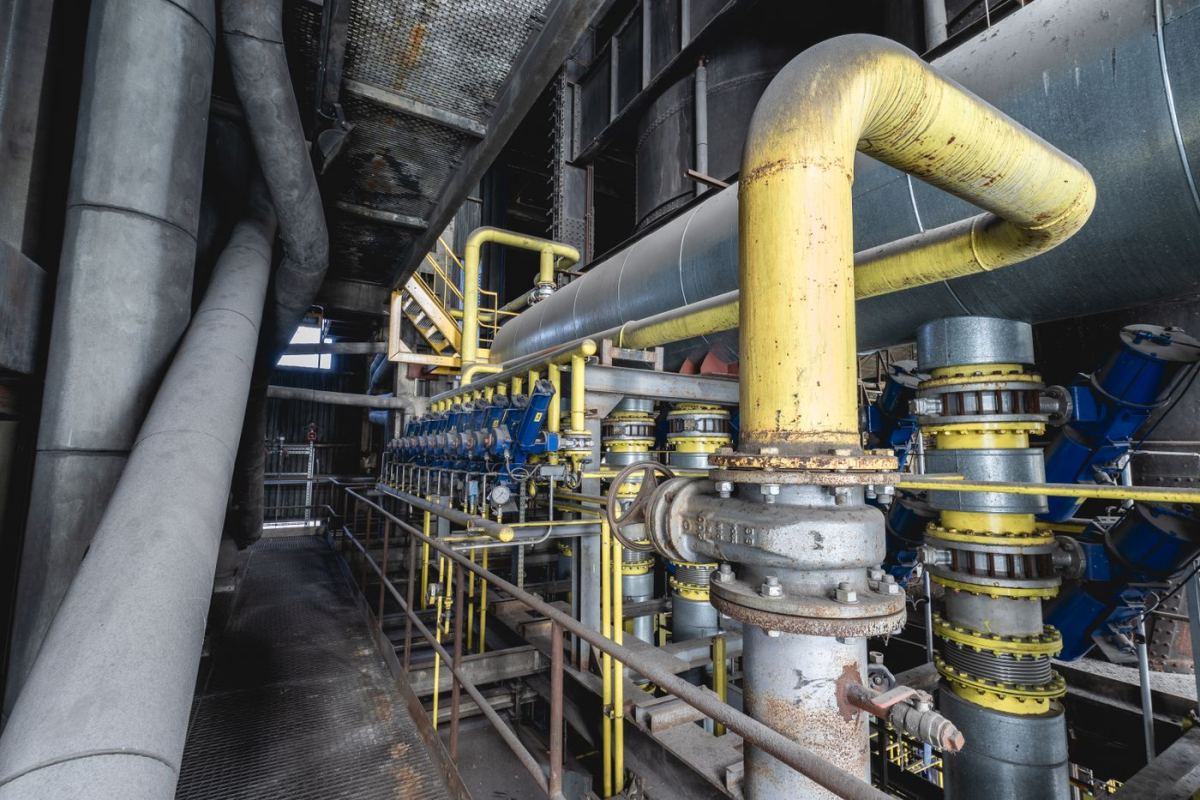
Skid (noun): a steel frame on which equipment, piping and instruments are mounted so they can be moved and installed as a single unit. That is the dictionary definition. What it leaves out is the important part: a skid is a way of moving work from the field to the shop, where it gets done better, faster and under a roof.
At Indumor we build the frame: welded structural members, machined pads for each piece of equipment, engineered lifting points, a tray or supports for the internal piping, and the coating the destination calls for. Your plant or your integrator mounts the pumps, motors and panels; or, if you prefer, we deliver it with the shop-built piping included.
Quote a skidPumping and transfer
Frames for pumps with their motors, valves and suction and discharge headers.
Dosing and filtration
Compact skids for chemical dosing or fluid filtration, with drains and a drip pan to contain spills.
Compressors and hydraulic units
Rigid bases for vibrating equipment, with leveled pads and anchor holes that match the civil drawing.
Complete pump rooms
Several units with their piping on a single frame, ready to lift, set and connect.
A frame has to carry the weight of the equipment and the operating loads: vibration, pipe thrust, motor start-up. With those numbers the members are selected, and the calculation closes.
In the shop you learn that the critical moment is not in operation: it is hanging from the crane, when all the weight sits on four points and the frame twists if it was not designed for it. That welding distorts, so the pads are machined after welding to keep pump and motor in the same plane. That if there are liquids, you need drains and a drip pan. And that the anchor holes, CNC-cut, have to land right on the embeds of the civil drawing.
Field hours are the most expensive and the slowest: wind, dust, scaffolding and a crew waiting for the crane. In the shop the same work is done on a level floor, under an overhead crane, with the welder within reach, and quality is easier to control. The skid is also assembled and checked complete before it ships: whatever would have shown up at commissioning shows up here, where fixing it costs far less. And if the plant changes tomorrow, it gets disconnected and moved.
Don't do this: weld the pads by eye and let the field crew align with shims. Every shim added on site is a misalignment the pump will later charge you for in bearings and seals.
It arrives, gets lifted, sits on its anchors and gets connected. Send us the equipment list and we will quote the frame, with or without piping. Or email tecnica@indumor.com.
© Indumor 2010–2026 — Industrial steel fabrication, Córdoba, Argentina
