October 19, 2026 · Indumor
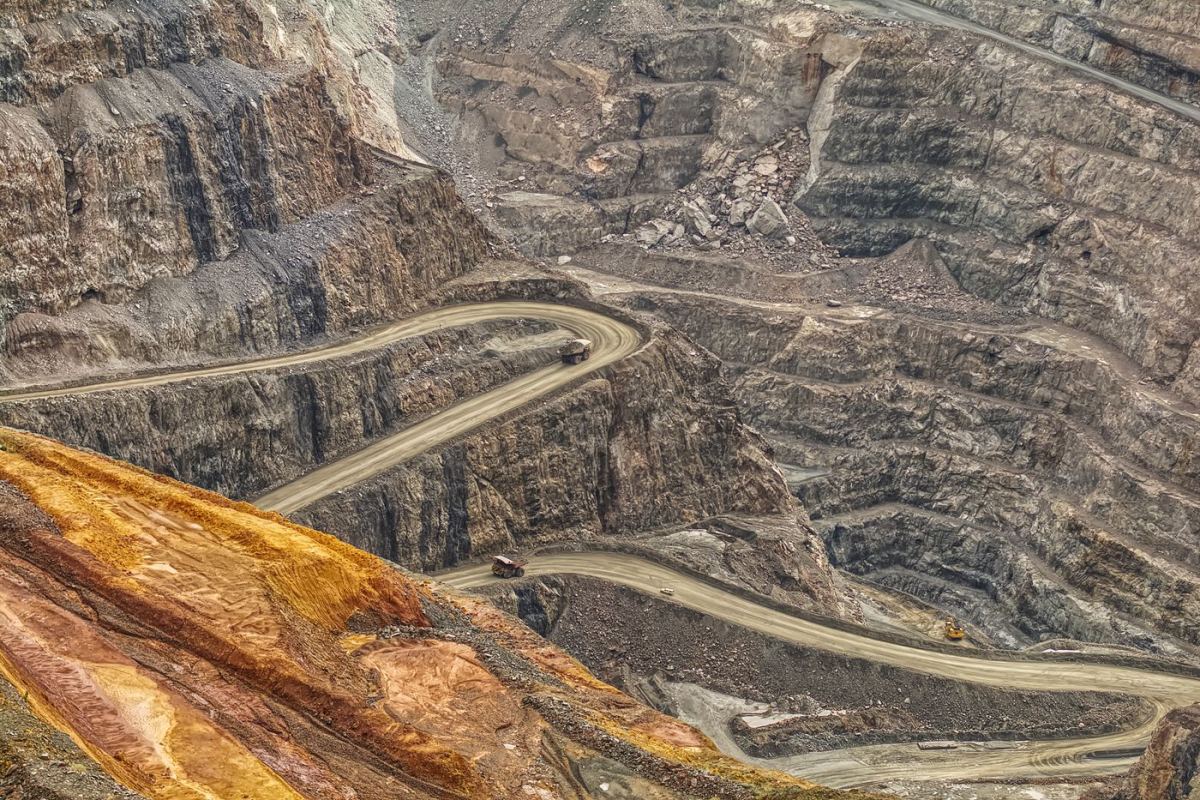
Between Belén and Andalgalá, in western Catamarca province, the hills hold a mining story everyone there knows. For twenty years, Bajo la Alumbrera was Argentina’s most important copper and gold mine: thousands of workers, a concentrate pipeline of over 300 kilometers to Tucumán, trains loaded with concentrate heading for a port in Santa Fe, and a whole generation of suppliers who learned to work to international standards. When the mine closed its cycle, the plant fell silent, but it did not disappear. About 35 kilometers away, in Andalgalá, Agua Rica was waiting — one of the largest undeveloped copper deposits in Argentina.
MARA joins those two stories. On October 2, 2026, Glencore announced its approval under the RIGI incentive regime. For a steel supplier, these are the five keys.
MARA’s great advantage is not starting from zero: it uses Alumbrera’s processing plant, tailings facility, pipelines, logistics and buildings. That saves years of construction and lowers the investment, with a direct consequence for suppliers: before producing, facilities that sat idle must be brought back up. Reconditioning is no walk in the park: structures to inspect, plate to replace, liners, chutes and tanks to renew.
Estimated investment is around US$4 billion, with average output above 200,000 tonnes of copper in concentrate a year over the first ten years, plus gold, silver and molybdenum. Measured and indicated resources are around 1.2 billion tonnes at 0.47% copper — roughly 4.7 kilograms of copper per tonne of ore. The rest is rock that must be moved, ground and deposited, and that takes a lot of steel.
Glencore plans to restart Alumbrera with first production in the second half of 2027. The project already employs about 2,000 people, with construction expected to peak near 3,500. It is the most immediate stage and the one demanding the most repairs and spares.
Agua Rica sits about 35 kilometers from the plant. Under the design presented in 2022, ore would travel on a conveyor including a tunnel of roughly five kilometers. If confirmed, that is a steel project in itself: conveyor structures, transfer towers, hoppers, chutes and supports over dozens of kilometers, plus all the tunnel support.
2022 estimates pointed to a 27-year mine life. After construction comes a quarter century of maintenance: wear liners, crushing and grinding spares, structures to replace and expansions. That is the kind of customer a shop wants: large, steady and demanding.
And one point any supplier should read carefully: Catamarca knows large-scale mining and has a workforce and suppliers trained at Alumbrera. That human capital is one reason the project can move fast, and it also shapes how the supply chain gets built: Catamarca contractors who erect and maintain, and shops with capacity who fabricate the large pieces. An outside supplier who comes to add rather than displace fits a project like this better — and for international EPCs, a capable in-country fabricator also helps meet the RIGI’s local-supplier commitment.
The calendar rules: the Alumbrera restart has a 2027 date, and reconditioning work gets contracted before that. If you have a repair or fabrication package for MARA, now is the time to quote it.
The provincial context is in mining in Catamarca; the full process of a copper mine in what gets built at a copper mine; conveyor steel in conveyor structures; and the investment framework in Argentina’s RIGI. At Indumor we build industrial structures, hoppers, chutes and tanks for mining — and quote in English.
Reconditioning, spares and build-to-print fabrication with real lead times.
© Indumor 2010–2026 — Industrial steel fabrication, Córdoba, Argentina
