October 19, 2026 · Indumor
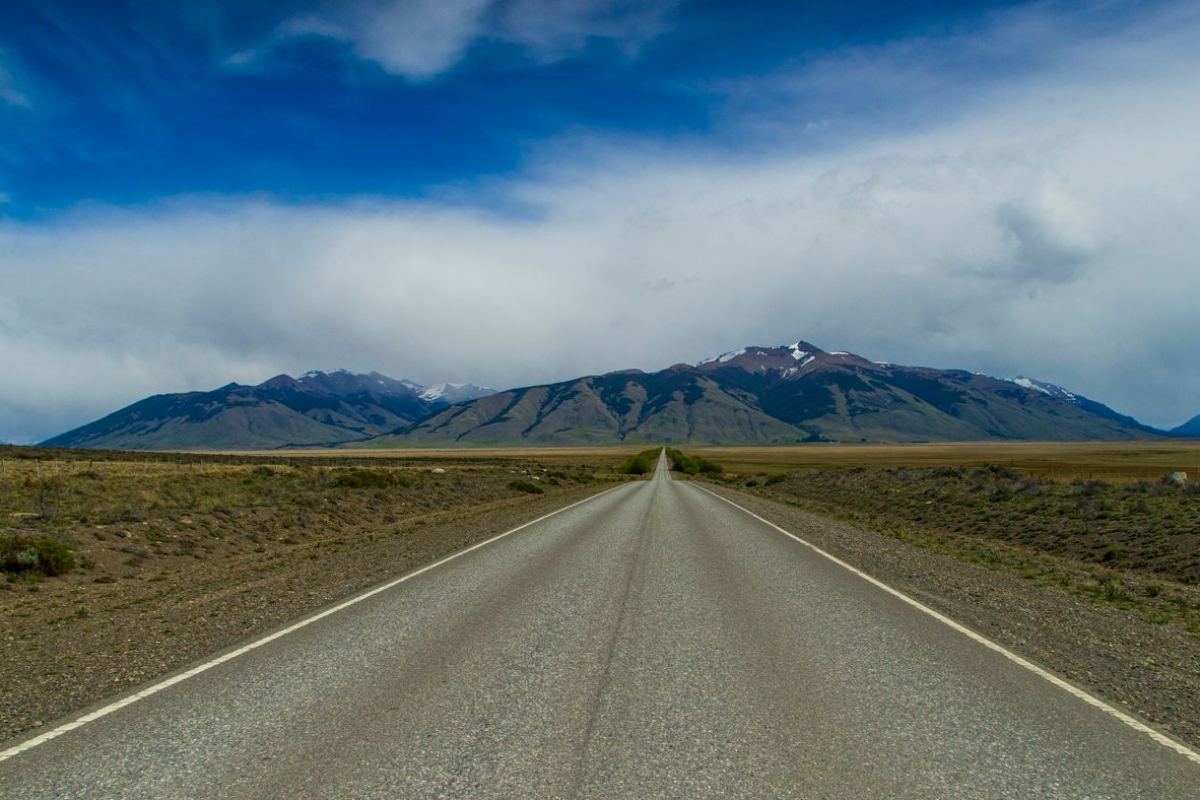
Gold and silver, far from everything.
That sums up mining in Santa Cruz, Argentina’s southern Patagonian province. While the San Juan Andes and the northwestern salt flats grab the headlines, gold and silver mines have run for years on the Patagonian plateau — not much in the news, but buying every day. Most sit in the Deseado Massif, in the north-center of the province, hundreds of kilometers from the nearest city with industry. For a supplier, they are demanding and steady customers. Here they are in two voices: what the paperwork says, and what it means on the shop floor.
What the paperwork says. In February 2026 Newmont announced about US$800 million to resume Cerro Negro’s Expansion 1, with more than 30 surface and underground works, extending mine life beyond 2035.
What it means on the shop floor. An underground mine buys differently from an open pit: ventilation ducts and structures, accesses, refuge stations, equipment frames, ore-handling hoppers and chutes, plus everything the surface plant needs. Thirty works mean thirty shopping lists.
What the paperwork says. San José, owned by Hochschild and McEwen, keeps producing gold and silver in the Deseado Massif. Cerrado Gold’s Don Nicolás recovers gold by heap leaching and targets 50,000 to 60,000 ounces in 2026. AngloGold Ashanti’s Cerro Vanguardia is working to extend its life, and Pan American Silver’s Cerro Moro is among the province’s operations. Manantial Espejo, on the other hand, has been on care and maintenance since late 2022.
What it means on the shop floor. Operating mines mean maintenance: mill liners, chutes, crushing spares, structures battered by wind and cold, water and fuel tanks. Not the big build of a new project, but work that repeats year after year.
What the paperwork says. The plateau mines are far from industrial centers, with long winters, snow, difficult roads and winds that in Patagonia are not an anecdote but a design condition.
What it means on the shop floor. Everything shipped to Santa Cruz must arrive complete, packed for a long haul and with its spares. A missing part is not around the corner: on that plateau, around the corner is four hundred kilometers away. That is why it pays to fabricate with margin, document everything and ship early — above all before winter. Many plateau operations work with framework agreements and stocks of critical spares built in advance: the part already exists when the original breaks, and replacement time drops from weeks to hours.
What the paperwork says. In Chubut, Pan American Silver’s Navidad silver project remains blocked by the provincial law banning open-pit mining and cyanide.
What it means on the shop floor. Mining Patagonia is not one place: each province has its own rules, and a supplier has to know them before promising anything.
A case that repeats on the plateau: a transfer chute that breaks in the dead of winter, with the plant stopped waiting for the part. The shop that has the drawing, the material and the shift available to build it in days — and ships it with its records — wins a customer for life. At Indumor that is how we work, with welded assemblies built to print and ready to travel. If you operate in Santa Cruz, send us your critical spare drawings and let’s build a safety stock before next winter.
Critical spares built to print and shipped before winter.
© Indumor 2010–2026 — Industrial steel fabrication, Córdoba, Argentina
