October 20, 2026 · Indumor
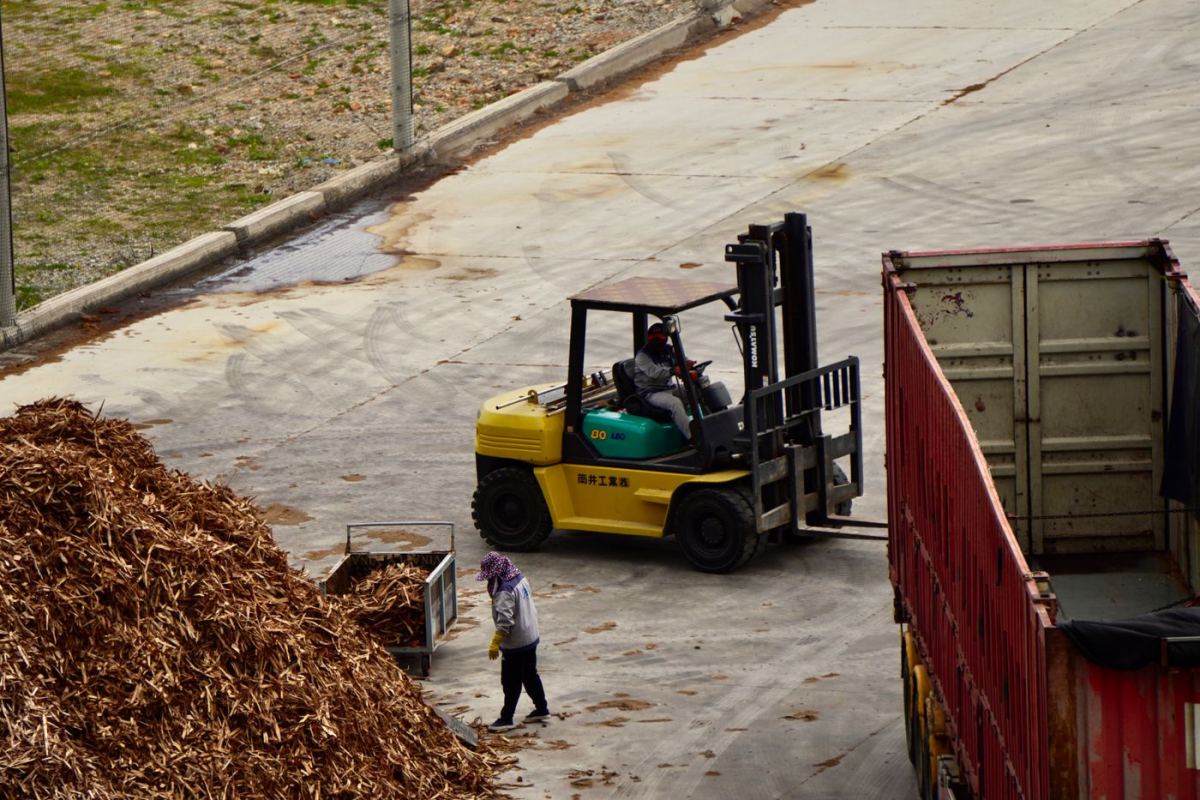
Traffic separation: dividing the routes of people and of vehicles inside a plant with physical barriers, not just paint. That simple. And that rarely done.
A painted walkway shows where to walk, but it does not stop a 3-ton forklift taking a corner wide. Painting a line on the floor and calling it done is a band-aid. Paint organizes; where a vehicle can stray into the walkway, you need an impact barrier.
Along pedestrian aisles that run beside forklift traffic, at the doors of offices and locker rooms that open onto an internal road, and around fixed workstations — a scale, a control desk — where someone works with their back to the traffic. These are barriers with heavier posts and engineered anchors, not platform guardrails.
Where the walkway crosses the vehicle lane, a self-closing gate makes people stop and look before stepping through; a convex mirror at blind corners rounds it off. And the pedestrian door, separate from the vehicle door: if people walk in through the same opening as the forklifts, sooner or later they meet where nobody can see.
Barriers work better with two helpers: a clear speed limit inside the plant, and forklifts that announce themselves, with a reversing alarm and lights that project a spot on the floor before the machine comes around the corner. Barriers in yellow and black, so they can be seen from far away.
If there is a plant shutdown or a holiday break on the calendar, that is the time to install barriers: the work gets done with the plant empty. For more, read forklift impact protection and see our industrial guardrails and platform guardrails. Reach us at Indumor.
Send us a layout or photos of the traffic and we will suggest where to separate it.
© Indumor 2010–2026 — Industrial steel fabrication, Córdoba, Argentina
