October 19, 2026 · Indumor
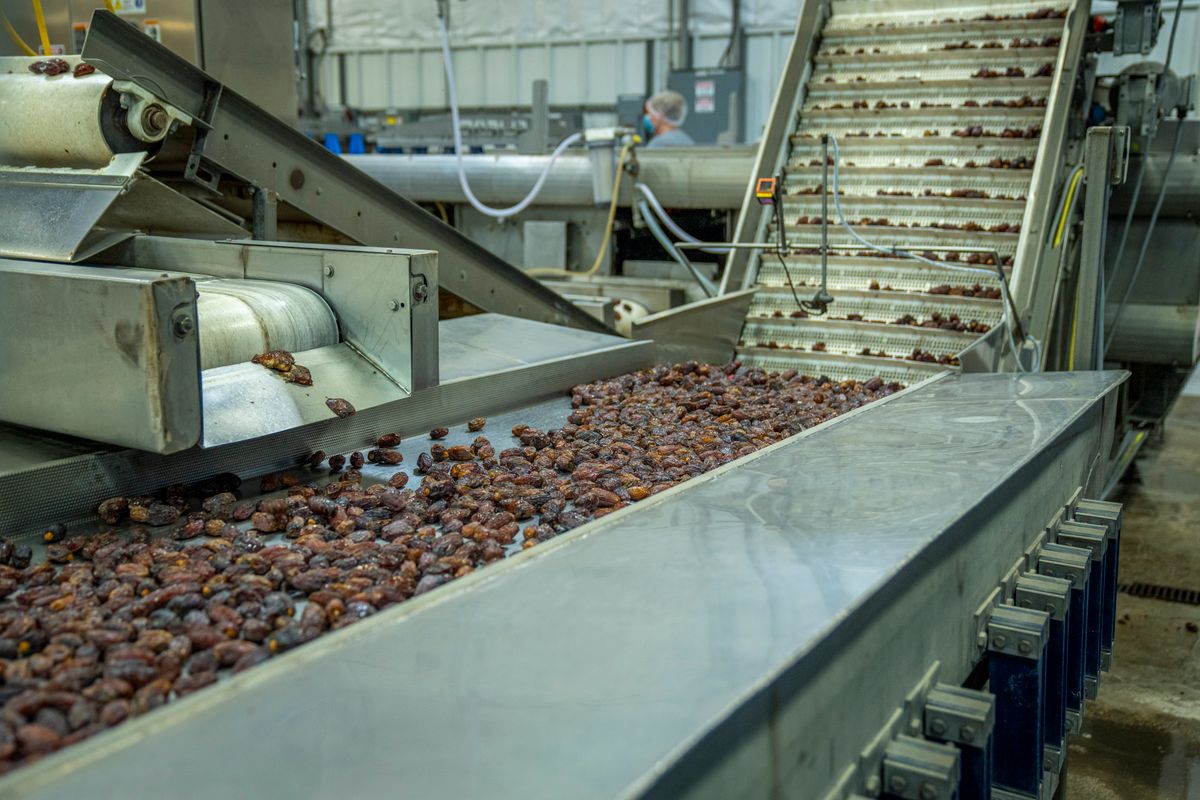
Yerba mate is dried twice, on two different machines, and neither step can be skipped. First, a few seconds of direct flame in a rotating drum: the zapecado. Then hours of hot air in a dryer: the drying proper. If the first step fails, the leaf oxidizes and darkens; if the second fails, the yerba molds in the warehouse. Everything else — coarse milling, aging, final milling — comes later and depends on those two being done right.
In northeastern Argentina people argue a lot about how to prepare a mate, the herbal infusion the country drinks all day. They argue far less about how the leaf is dried, which matters more for what ends up in the gourd. Here it is in order, as it happens in the drying plants of Misiones and northeastern Corrientes, where almost all of Argentina’s yerba is made.
The harvest cuts branches and leaves that reach the plant full of water and start losing quality the moment they are cut. That is why green leaf is processed fast, the same day: the longer it waits on the truck or in the yard, the worse it gets. For scale, it takes about three kilograms of green leaf to make one kilogram of finished yerba, and most of what is lost along the way is water leaving through the stack.
Zapecado. The branches ride a conveyor into a rotating drum where they get a few seconds of direct flame. That heat shock deactivates the enzymes that would oxidize the leaf and drives off a good share of the water right away. The name comes from Guaraní and refers to the blisters that form on the leaves. For the fabricator, the zapecado drum is a cylinder working next to the flame, with plate that must withstand the heat and a rotation speed that sets how long the leaf stays inside: a few seconds too many and it burns, a few too few and it stays raw.
Drying. After zapecado, the yerba is finished in one of three kinds of dryer. The barbacuá, the traditional one, spreads the leaf in thick layers on a grate and dries it with hot air for hours; it gives the smoky taste some brands seek on purpose. The belt dryer, the most common in industry, is a continuous tunnel dryer where the leaf travels on belts while hot air passes through it. And the rotary dryer, a drum like the zapecado one but longer and cooler. All three share a golden rule: leaves dry fast, in about 45 minutes, while sticks need more than three hours. The equipment has to keep the leaf from overdrying while the sticks finish.
Quality protocols call for recording residence time and temperature at each stage, because final moisture depends on them and shelf life depends on final moisture. There is no cutting corners here: moisture left inside shows up months later in the warehouse, when nothing can be done about it.
The dry yerba is coarsely milled and goes to aging, either natural or accelerated in chambers with controlled temperature and humidity, where it develops the color and flavor consumers recognize. Only then come final milling, the leaf-to-stick blend that defines each brand, and packing. For a fabricator, every one of those stages is steel too: conveyors, hoppers, screens, chamber structures, hot-air ductwork and wood- or chip-fired furnaces that, at many plants, burn biomass from the region itself. How to choose between a rotary and a belt machine is covered in rotary or tunnel dryer.
Does your plant need a new zapecado drum, more drying capacity or a furnace that burns less wood per kilogram of yerba? Tell us how you work today and what holds you back: at Indumor we build the equipment and think it through with you.
We build zapecado drums, belt dryers and biomass furnaces sized to your production.
© Indumor 2010–2026 — Industrial steel fabrication, Córdoba, Argentina
