October 19, 2026 · Indumor
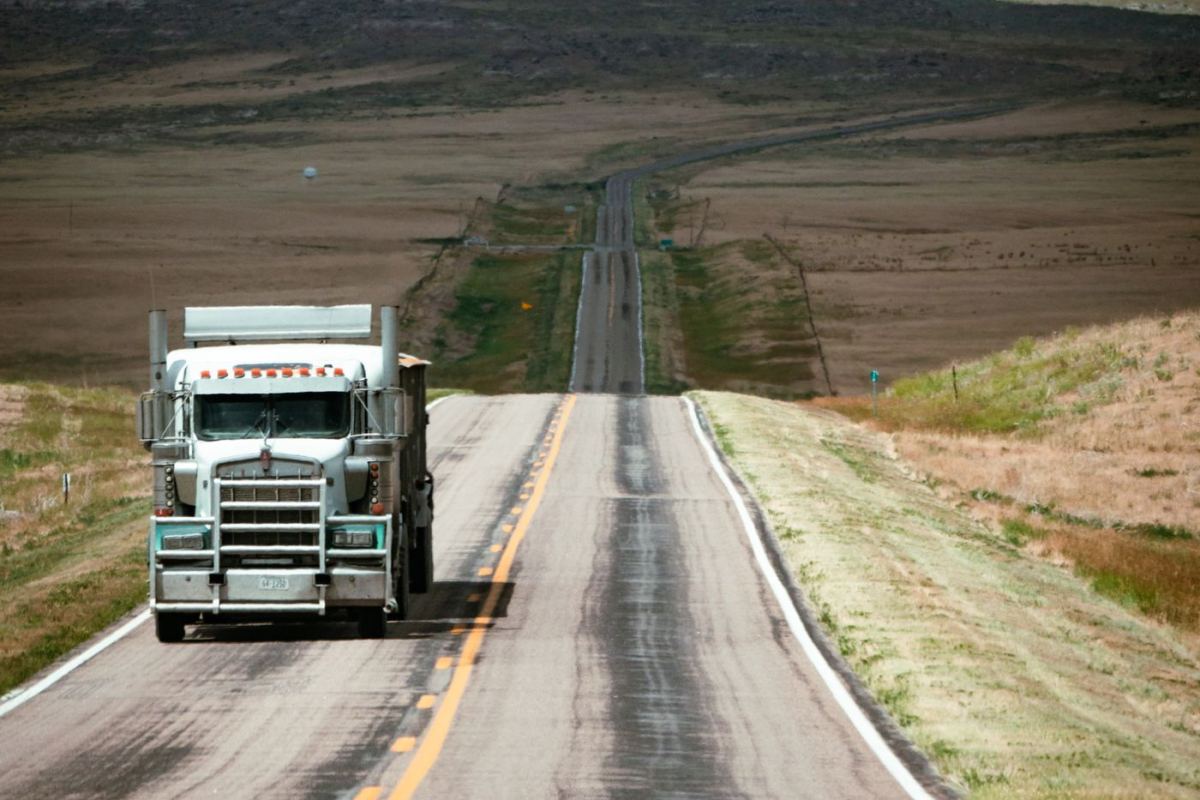
Córdoba is in the middle of everything.
The essentials first: from Córdoba, Argentina’s main mining and oil districts are one or two truck-days away. San Juan, Catamarca and Mendoza, one day; Salta, Jujuy and Neuquén, a day and a half; the Golfo San Jorge basin, about two. No other major industrial region in the country sits at such an even distance from all the projects at once. For a supplier serving mining and Vaca Muerta at the same time — or for an international EPC choosing an in-country fabricator — that is a concrete advantage.
Second: distance is managed in design, not on the truck. A structure designed for the trip — broken down to load size, with lifting points and bolted joints — arrives ready to erect anywhere; one designed only for the drawing arrives asking for field welds and fixes. Here are the details.
By road, approximately: Córdoba–Catamarca, about 420 kilometers; Córdoba–San Juan, about 580; Córdoba–Mendoza, about 680; Córdoba–Salta, about 870; Córdoba–Jujuy, about 960; Córdoba–Neuquén, about 1,100, with Añelo a bit farther; Córdoba–Comodoro Rivadavia, about 1,750. Add the final mountain or gravel stretches, which in the Andes, on the Puna or across the plateau can be hundreds of kilometers slower than the highway.
Our plant is in Ferreyra, on Route 9 South, in Córdoba’s industrial heartland. It is the corridor linking the province with Rosario and with the area of the country’s big steel mills, where plate and sections come from, and it opens north, west and south. Córdoba also has a decades-old metalworking ecosystem built around the automotive and farm machinery industries: service providers, treatment shops, specialized transport and skilled labor.
Freight is not a detail: on large pieces, a poorly planned breakdown can double the number of trucks or turn a normal load into one needing special permits, escorts and restricted hours. That is why we define breakdown in engineering, respecting the load width that travels without a permit; trial-assemble in the yard and number every piece against the erection drawing; protect delicate items from dust, vibration and cold; and ship with the documentation in the same load. For export, we pack for ocean freight and document in English.
Next time you compare fabrication quotes for a distant project, add freight, erection hours and the cost of field fixes. Sometimes the shop that looked more expensive is the cheapest delivered on site.
From Córdoba, the ports of Rosario and Buenos Aires are a few hours by truck, and to the north and west the roads reach the passes into Chile. For export, fabrication is also designed for the ship: pieces that fit in containers when that pays, or breakbulk well packed and protected from salt moisture when it does not; technical and shipping documents in order; and markings the receiver can read in their language. Different logistics, same idea: arrive ready to erect.
A normal load ships the day it is finished. A load needing a special permit may need days of paperwork and travel windows. That is why the fabrication plan includes a dispatch plan: what ships first, in what order it gets erected and which truck carries each package. Time lost waiting on a permit is the time nobody put in the schedule.
How a large structure travels, in moving oversize steel; the oil destinations, in the Vaca Muerta map; the mining ones, in San Juan mining; and what changes in the Andes, in fabricating for high-altitude mining. To get to know us, the plant is at Indumor.
We fabricate with the trip in mind: breakdown, trial assembly and documentation.
© Indumor 2010–2026 — Industrial steel fabrication, Córdoba, Argentina
