October 19, 2026 · Indumor
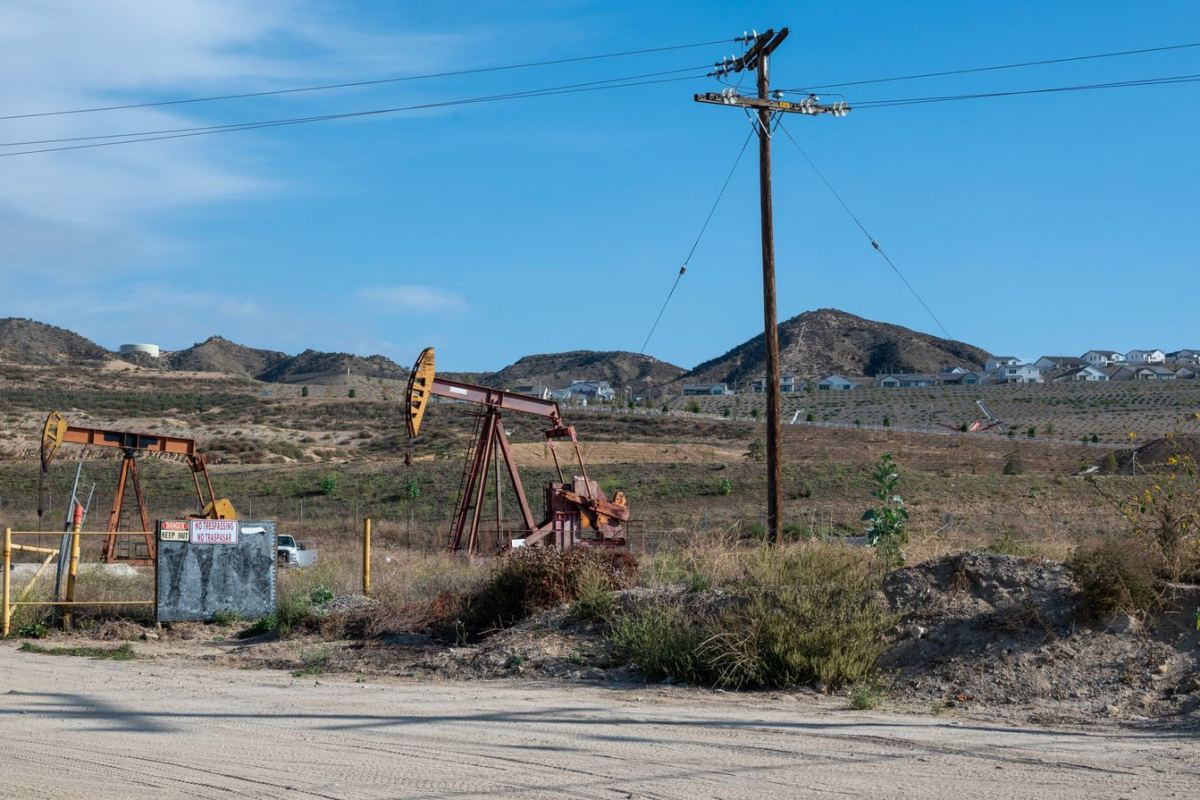
This is where it all began.
On December 13, 1907, in Comodoro Rivadavia, a well drilled for water struck oil. From that day on, the Golfo San Jorge basin — spanning southern Chubut and northern Santa Cruz — became the cradle of Argentina’s oil industry. Comodoro, Caleta Olivia, Las Heras, Pico Truncado and Sarmiento grew up around the wells, the workshops and the service bases. More than a century later, while Vaca Muerta takes the headlines, the basin keeps producing: in July 2025 it supplied 31% of the crude refined in the country. That is not small. It is almost a third.
It is a mature basin, and that defines everything. Its fields have decades of production and are sustained by secondary recovery: injecting water to push out the oil that remains. Cerro Dragón is here, operated by Pan American Energy, one of the largest conventional fields in the country, along with thousands of pumpjacks nodding day and night against the Patagonian wind. In 2026 the basin also changed hands: YPF transferred areas such as Manantiales Behr to San Benito Upstream and PECOM, and other fields went to mid-size operators arriving with revival plans. Some are looking further still, studying the unconventional potential of the basin’s deeper formations.
A basin like this buys to maintain and to recover. Water injection plants, with tanks, skid-mounted pumps, filters and kilometers of piping. Batteries that separate and store, with tanks that after decades need floor repairs or full replacement. Pumpjacks to recondition, with their bases, guards and platforms. Flowlines that leak and get replaced section by section. All of it in a coastal environment, with strong wind and salt, where ordinary paint does not last and galvanizing earns its price.
Around Comodoro, strong gusts are part of normal weather, not the exception. It shows in everything fabricated for the basin: stairs and platforms with solid, well-anchored railings, cladding that does not blow away, tanks with fittings firmly secured, bolted joints checked after every windy season. And the salt carried in from the gulf calls for coastal-grade finishes. What lasts twenty years inland can last half that on the Patagonian coast if it is not protected properly. From our plant, the basin is about two truck-days away: just right for everything to arrive assembled, protected and ready to hold up.
In the shop, that world has its own style. Often the job starts with a worn part on the table, a caliper and a question: does anyone have a drawing of this? In fields with decades of history, original drawings were lost or never existed, and building from the sample — survey, measure, draw, and only then cut — is part of the trade. Doing it right, with the new part documented for next time, is what separates a supplier from an emergency fix.
The new operators arrive with tight budgets and demanding timelines, because every idle well is money not coming in. They need suppliers who respond fast, repair with judgment and do not sell a new part when reconditioning will do. It is a different customer from Vaca Muerta, but just as valuable: steady and loyal when served well.
The full basin map is in Argentina’s oil basins, and pumpjack details in conventional wells and pumpjacks. At Indumor we build tanks, skids, guards and spares to print or to sample for mature fields.
Next time you drive through Comodoro and see the pumpjacks nodding into the wind, remember each one has over a century of history behind it and many years of work ahead. And someone has to keep them running.
Spares to print or sample, tanks and repairs with fast response.
© Indumor 2010–2026 — Industrial steel fabrication, Córdoba, Argentina
