Mining in Mendoza: the copper arriving and what comes after it

October 19, 2026  ·  Indumor
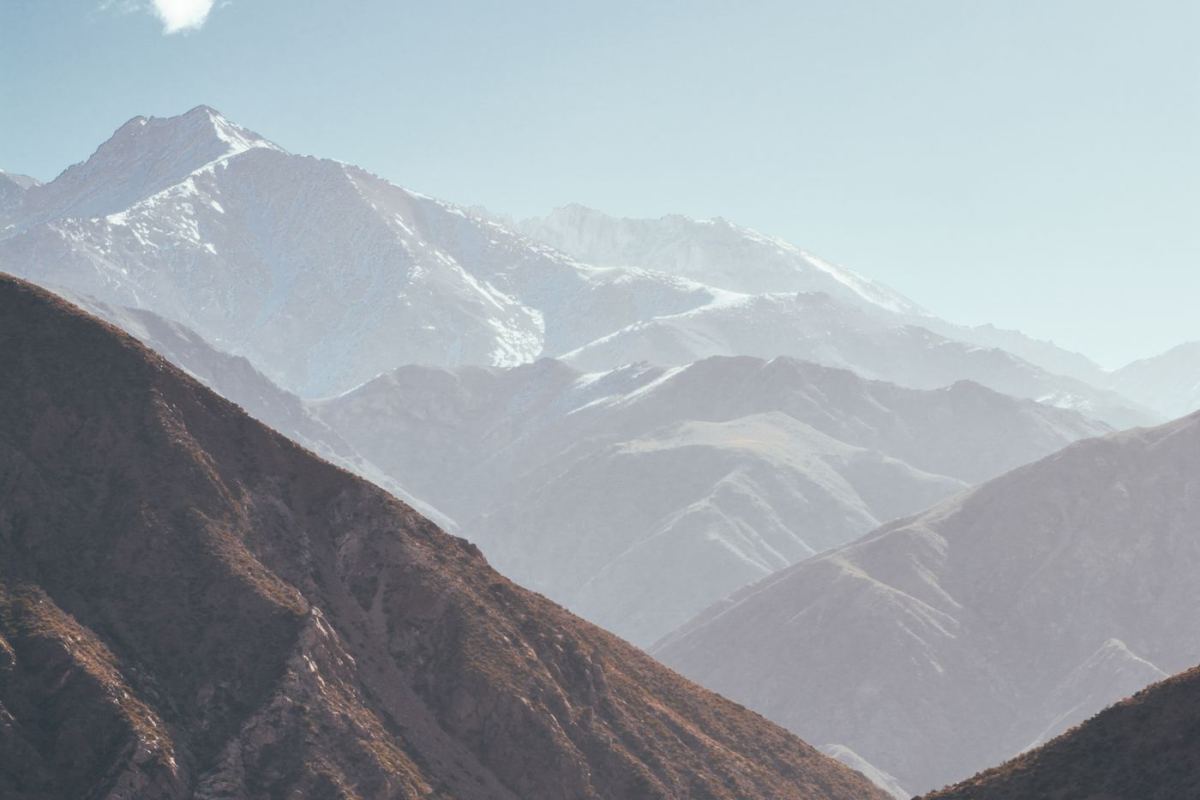
Andean valley in Mendoza

People assume Mendoza has no mining: that it is wine, tourism and oil, and that provincial Law 7722 — which since 2007 has banned cyanide, mercury and sulfuric acid in metal mining — closed the door for good. It is the other way around. Mendoza now has a copper project with environmental approval and RIGI status, an exploration district with dozens of active projects and a potash deposit waiting its turn. The key is that mining is being done differently, within the rules the province set for itself.

For a steel supplier, that opens a province that until recently was not on the mining map. Here is the tour, project by project.

  • PSJ Cobre Mendocino (Uspallata, Las Heras): the former San Jorge project, about 37 kilometers from Uspallata. It is an open-pit copper-gold mine with crushing, grinding and flotation of roughly 10 million tonnes a year, producing about 40,000 tonnes of copper a year in a concentrate of around 25%. It uses no cyanide, acid or mercury, which is why it fits Law 7722. It carries a two-section high-voltage line, a water intake on the El Tigre creek and thickened tailings over 216 hectares. The provincial Senate gave final approval in December 2025 and its RIGI application was approved in May 2026 for US$891 million, about 630 of it for construction. It plans an 18-to-24-month build with a peak of around 3,900 jobs. It is first in line.
  • Malargüe Western Mining District: a copper exploration zone in the south of the province, opened by the province in stages. The first had 34 projects; with environmental approval of the second in December 2025, there are now 65, and a third stage was headed to the legislature in 2026. Companies such as Kobrea are already drilling. Today it is exploration. Tomorrow it could be a mine.
  • Potasio Río Colorado (Malargüe): a potassium chloride deposit, a key fertilizer input. It is currently halted and under renegotiation, with the province working on an extra-high-voltage line that would pass through the project. If revived, it is an industrial-scale build. For now, it waits.
  • The San Juan connection: the future San Jorge substation in Mendoza will also feed Los Azules, the Calingasta copper project. Power works on one side of the range serve the other. Geography outranks borders.
  • The oil it always had: southern Mendoza is part of the Neuquén basin and the north has mature fields near the Luján de Cuyo refinery. Mendoza is no newcomer to heavy industry. It is just changing sectors.

What each one demands differs. PSJ is a classic concentrator: hoppers, chutes, crushing and grinding structures, flotation cells, thickeners, conveyors, platforms and tanks. Malargüe exploration needs camps, drill pads, water and fuel tanks and light structures that get set up and taken down. And any project in the area has to arrive via Route 7 or the southern roads, with parts designed for the trip. Uspallata sits on the main corridor to Chile, with heavy truck traffic and winters that sometimes close the pass; Malargüe is far from industrial centers. Either way, fabrication that arrives finished and tested saves days of field work.

From Córdoba, Uspallata is less than a truck-day away. At Indumor we build industrial structures, hoppers and tanks in our own plant, and we treat Mendoza’s rules as part of the project, not as an obstacle. The neighbor next door is covered in San Juan mining, and an example of a mine with no tailings dam in Los Azules.

Have a package for Uspallata or an exploration camp in Malargüe? Tell us what you need and when: we will reply with a concrete proposal, in English.

← Back to the Knowledge Hub

Keep reading

Mining in San Juan

Vicuña, Los Azules, El Pachón and Veladero.

Read guide →

Los Azules

Heap-leach copper in Calingasta.

Read guide →

Industrial structures

Process plants, supports and platforms.

View service →

Project in Uspallata or Malargüe?

Structures, hoppers, tanks and camps, less than a truck-day away.