October 20, 2026 · Indumor
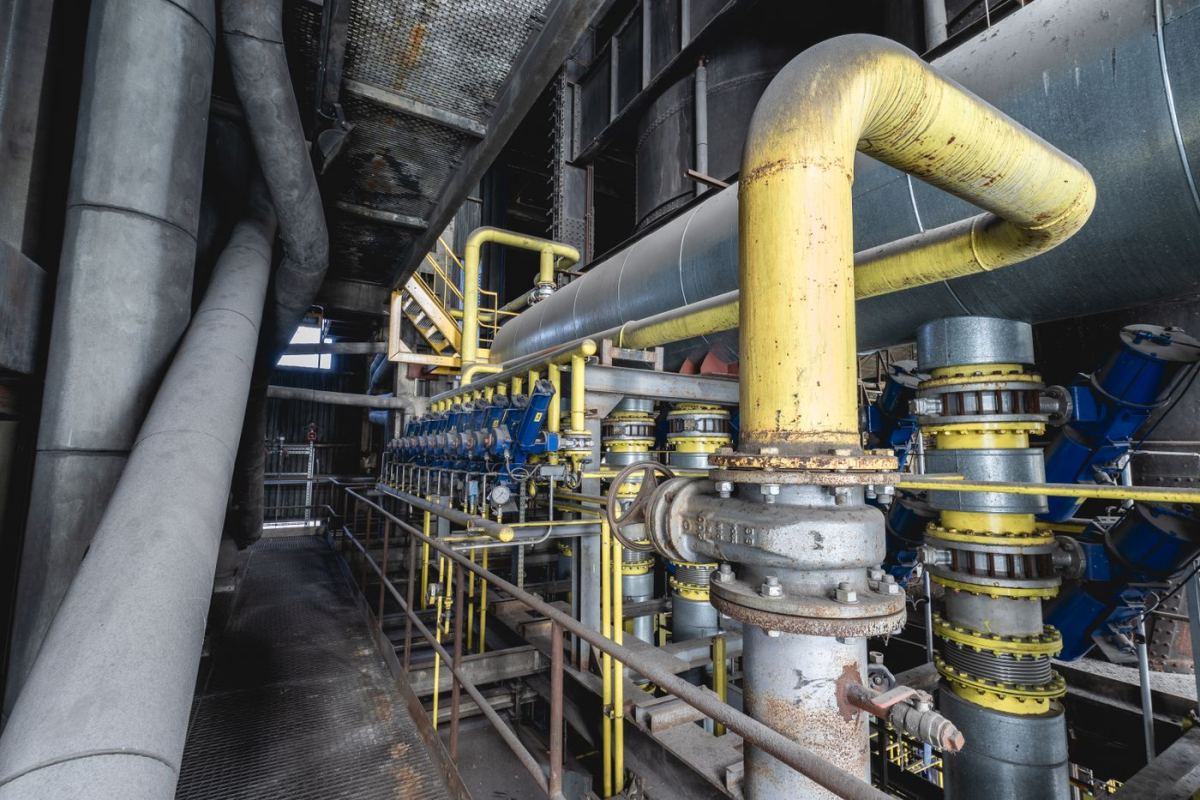
Who checks the skid when it arrives on site? If the answer is “whoever is around,” the skid can be well built and still start up badly. Ever since the oil industry made skids popular, more than half a century ago, the scene has repeated itself: the truck arrives, the crane sets it down, everyone looks at the clock and nobody looks at the anchors.
A skid is assembled and checked in the shop; the trip and the unloading are when something can change. This is the list worth having printed on the day it arrives:
A good share of receiving happens days earlier. The crane has to lift the skid's weight at the radius it will actually work at, not the shortest one; the access road has to let the truck in and turn around; the foundation has to be cured, with the anchor bolts set to the template; and there has to be a sheltered spot for the parts that ship separately. If the skid is large, a written lift plan with the weight, the center of gravity and the rigging is worth having. Plus one named person holding the checklist.
When the plant piping is connected, check one more thing: that it meets the skid without forcing the flanges. A pipe that has to be pulled into place with a come-along passes that force on to the pump and misaligns it, even if alignment was measured correctly before hook-up.
None of these takes more than a few minutes, and together they prevent a lot of troubled start-ups. Alignment is the one most often forgotten and the one that costs most: a misalignment nobody measures gets paid for later in bearings and seals.
To see what a good skid should bring from the shop, read equipment skids: machinery on a steel frame and oil and gas skids; the piping that often comes installed is covered in shop-prefabricated piping. At Indumor we build equipment skids with machined pads, like our machine frames.
Have a skid on the way and still don't know who is going to receive it?
We will send you the checklist adapted to your equipment.
© Indumor 2010–2026 — Industrial steel fabrication, Córdoba, Argentina
