October 19, 2026 · Indumor
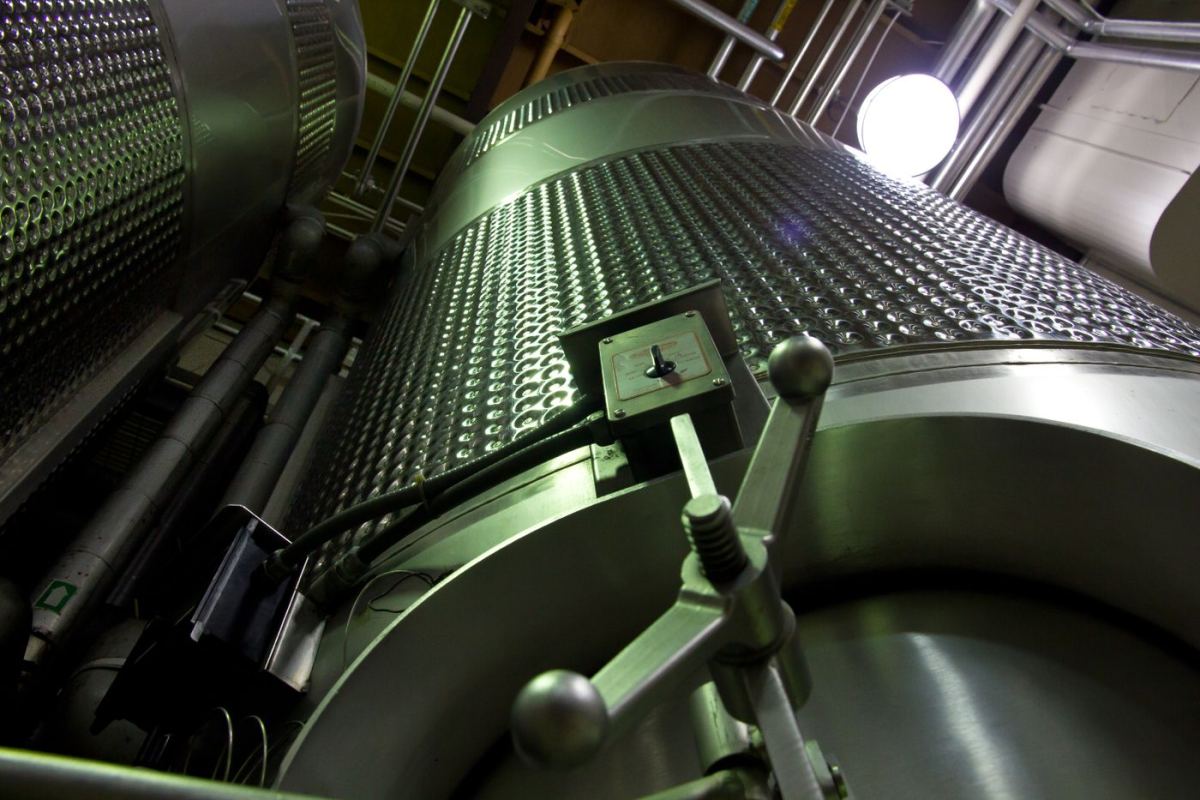
Stainless costs almost double. On a real lot of 33 tanks we quoted both ways, the AISI 304 stainless version came in at 1.87 times the painted carbon steel one. It weighed 18% less — about 77.9 tonnes against 95 —, needed no paint or linings and took a month longer, because the pace was set by the availability of some 80 tonnes of stainless plate.
That is the purchase snapshot. The full picture depends on what each tank holds: for potable water, corrosive products or food, stainless saves the internal lining, external repainting and much of the maintenance over its whole life; for oils and fuels, which protect the steel from the inside, painted carbon steel remains the logical choice. And you do not have to pick one for the whole lot: you can mix tank by tank, for instance potable water in stainless and everything else in carbon steel.
Because it needs no corrosion allowance. In carbon steel, the design adds millimeters the tank can lose to rust over its life; in stainless that margin is not needed, so plates can be thinner for the same tank, always within the minimum thicknesses set by the reference standard. The result is lighter equipment, which also saves a little on freight and lifting.
Material and fabrication. A kilogram of stainless plate costs several times a kilogram of carbon steel, and the lower weight does not make up for it. Fabrication changes too: TIG and MIG welding with 308L filler, an area kept separate from carbon steel, tools that have never touched ordinary steel, and final pickling and passivation of every weld, inside and out. In exchange, you skip the blasting and the three coats of paint carbon steel needs, which in a mining-grade system add up to about 250 microns.
Over its life, painted carbon steel needs internal lining inspections on water tanks, touch-ups and, every so many years depending on the environment, a full repaint: with the tank out of service, emptied and often scaffolded. At a high-altitude mine or a plant that cannot stop, that downtime costs more than the paint. Stainless is not maintenance-free — chlorides, welds and the deposits that settle on the bottom need watching — but it is never repainted or relined. That is why the initial price gap narrows year after year, and in some services it disappears altogether.
For decades, the industrial water tank in Argentina was mild steel with a lining that had to be renewed every so often, and stainless was reserved for dairy and food plants. With today’s maintenance costs, and at sites where taking a tank out of service to repaint it costs far more than the tank itself, that math has changed.
Next time you compare two tank quotes, do not stop at the line price: add the paint, the internal lining, the repainting and the years the tank will be in service without anyone touching it. That is where the number changes, and sometimes it changes sides. How we work both materials is on our steel tanks page, and at Indumor we run that math with your list.
We quote each tank in stainless and in carbon steel, and show where each one fits.
© Indumor 2010–2026 — Industrial steel fabrication, Córdoba, Argentina
