Commissioning Chinese machinery: what the manual leaves out and what the supplier never ships

November 2, 2026  ·  Indumor
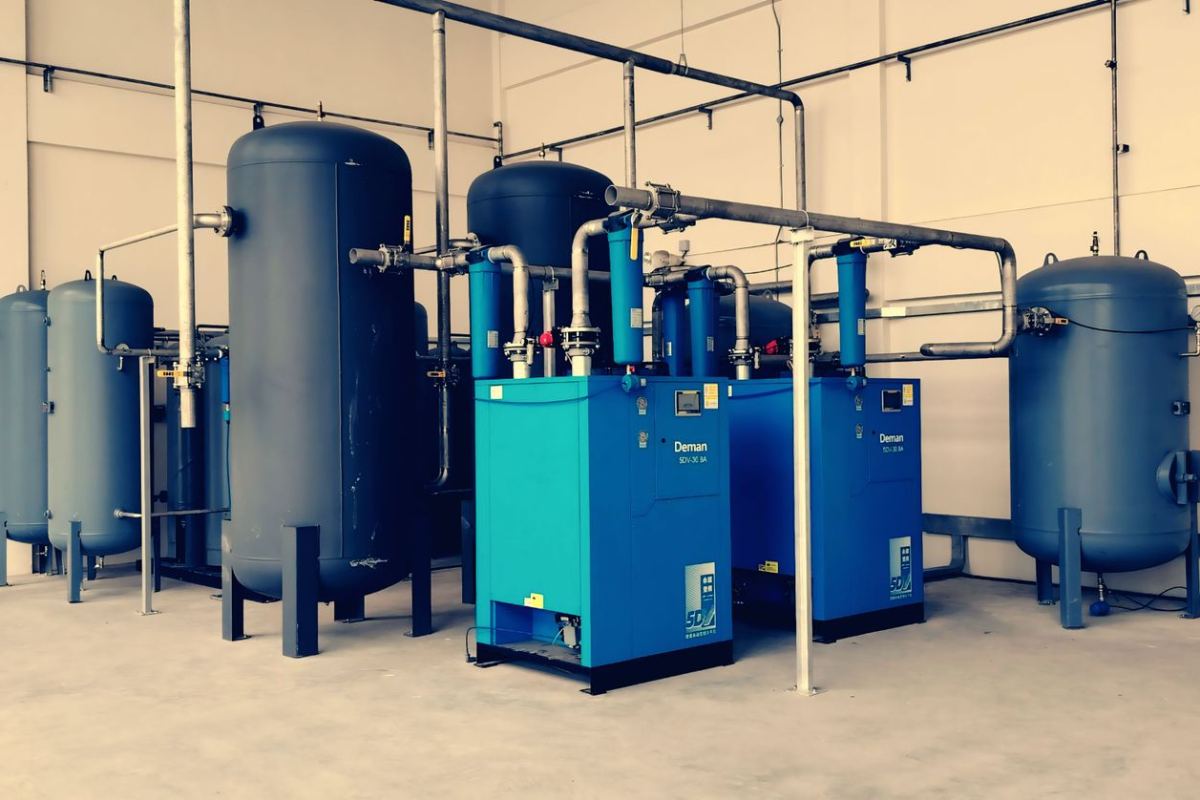
Compressor and compressed-air receivers installed next to an industrial machine

Buying a machine in China feels a lot like buying flat-pack furniture. What is inside the box may be perfectly good, but nobody promises that all the screws are there, that the instructions are for this model or that the little key it ships with is any use. The difference is that the furniture gets built in an afternoon and the machine can sit for months waiting for someone who knows where to begin.

There is very good Chinese machinery and there is bad, as from anywhere else. What almost never arrives properly resolved is the commissioning, and for that you need to separate three things that come mixed in the same container. What came. What did not come. And what you can still ask for, because the balance has not been paid. That last part is worth the most and gets used the least.

Once the machine is already in the shed and the supplier is not sending anyone, the problem changes shape, and another guide covers that. This is the list for beforehand.

  • Paperwork. The manual, which is sometimes for a different model or half translated; the wiring diagram; a spare parts list with part numbers; the PLC program as a file and the password to open it. Whatever did not come gets requested before paying.
  • Certificates. A CE sticker on the cabinet guarantees nothing if there is no declaration of conformity and technical file behind it. Ask for the document, not the decal.
  • Voltage and frequency. The nameplate on every motor and on the cabinet. The norm is 380 V at 50 Hz, the same as in Argentina, but some equipment is built for 220 V or for 440 V at 60 Hz, and a 60 Hz motor on our grid turns 17 % slower.
  • Control panel. Unnumbered terminals, wire colors that are not ours and, very often, no residual-current device. Neutral and protective earth get connected as the AEA 90364 wiring rules require, and you add the RCD yourself if it is missing.
  • Direction of rotation. With the coupling open, bump each motor. A hydraulic pump running backwards ruins itself in minutes.
  • Air. 6 to 8 bar, dry and filtered. Threads on Chinese equipment are usually G (BSP); the fittings at the local hardware store are usually NPT. They go in, they look the same and they leak.
  • Oil. Gearboxes and hydraulic power units travel empty. The L-HM 46 named in the manual is an ISO VG 46 from any brand.
  • Components. Which PLC it carries (Siemens S7-200 SMART, Delta, Xinje or Mitsubishi FX are the usual ones), which drives (Inovance, INVT or Delta) and whether the screen switches language. That decides who will be able to repair it here in five years.
  • Safety. Guards, emergency stop and interlocks as Argentina's Law 19,587 and Decree 351/79 require. Many machines have the guard in the catalog and not in the crate.
  • Supervision. The maker's technician is priced per day, plus flights and lodging, and the contract has to say how many days and what he leaves running. If it is by video, the schedule is theirs, eleven hours ahead.
  • Before paying the last 20 %. A FAT by video with the machine running in their factory, a SAT with real production in your plant, wear parts for two years and a PLC with no lock.

The list does not replace the technician, but it changes the conversation with the supplier. It stops being "when is he coming" and becomes "what is missing", which is a question with an answer. With the paperwork in hand, a shop like Indumor and a licensed electrician take care of the base, the installation, the panel and the adaptations; what cannot be invented is a wiring diagram that never arrived. The guide on Chinese control panels, PLCs and manuals goes into the electrical side in more detail, and machinery installation and commissioning describes what we do when the person who was supposed to come does not.

One piece of advice, if you keep only one. Before paying the balance, ask for the PLC program and its password. Everything else can be sourced later. That cannot.

← Back to the Knowledge Hub

Keep reading

Machinery installation and commissioning

Base, installation, panel and adaptations when the technician does not come.

View service →

Nobody came to install the machine

The order to get it running anyway, from the crate to full load.

Read guide →

Chinese control panels, PLCs and manuals

How the electrical side of an imported machine gets adapted.

Read guide →

Missing something from the list?

Tell us what arrived and what did not, and we will sort out what the shop can solve and what you need to claim.