October 31, 2026 · Indumor
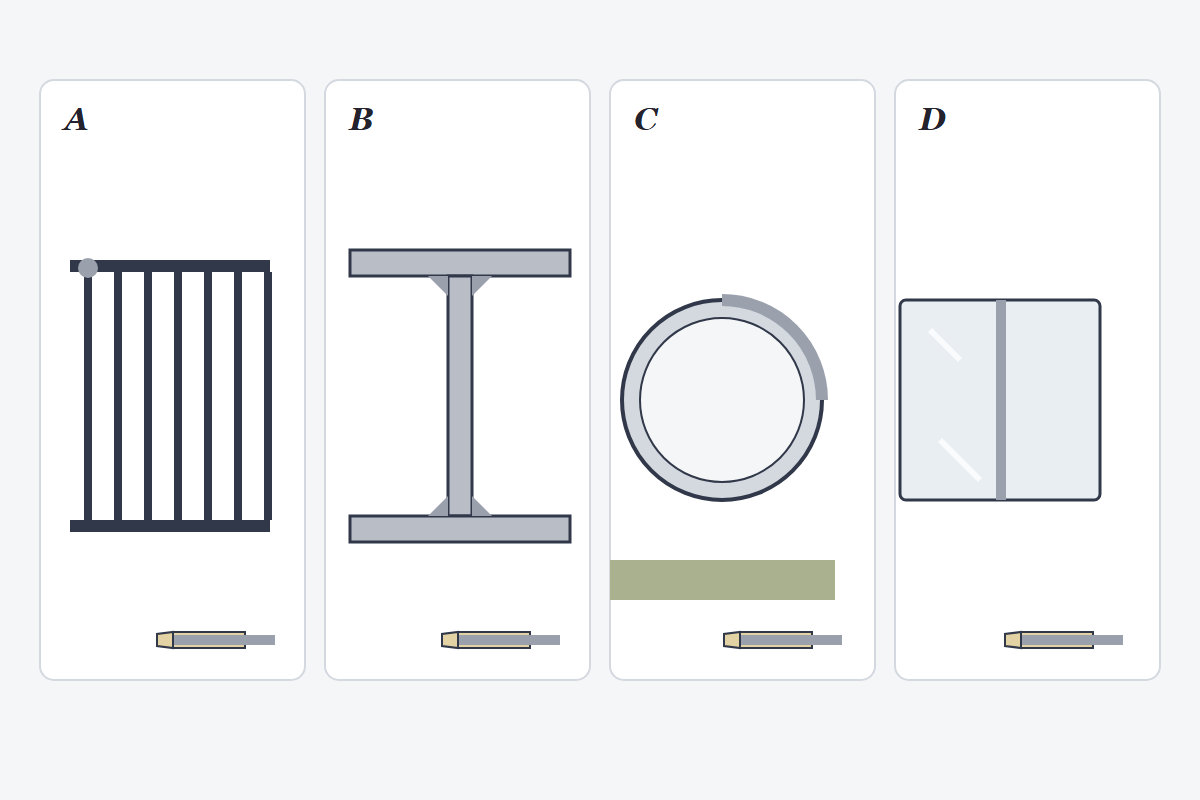
A light fabrication and thin sheet. B structural steel. C pipe root in the field. D stainless.
General-purpose electrode: one that works for almost everything and is the best at almost nothing. The definition fits the E6013, the best seller in any hardware store, and it explains why a metal fabrication shop keeps at least three or four different electrodes on hand.
For light fabrication, railings, thin sheet and brackets that carry nothing important, a 2.5 mm (3/32 in) rutile E6013 works like a charm: it strikes easily, runs on an AC transformer, leaves a neat bead and the slag lifts off by itself. Trouble starts when it is taken where it does not belong.
For ordinary structural steel, field connections, columns, beams and gussets, the low-hydrogen E7018, 3.2 or 4 mm (1/8 or 5/32 in), kept dry. When the steel is higher strength, such as an S355 or an A572 grade 50, when the section is heavy or the part will work in the cold or under repeated loads, like a crane runway girder, an E7018-1 with low hydrogen, H4 or H8, is the better choice, together with whatever preheat the procedure calls for.
Field pipelines follow a different school. The root and hot pass are done with cellulosic rods such as the E6010, on DC and often downhill, and the fill continues with higher-strength cellulosic or low-hydrogen rods, depending on the job's procedure. For maintenance on dirty or rusty surfaces that cannot be cleaned well, the E6011 holds its own best, and it runs on AC as well.
To fill long fillets in the flat in production, the E7024 with iron powder deposits much more per rod. On stainless, the electrode follows the steel: E308L for AISI 304 and E316L for 316. To join carbon steel to stainless, E309L, which tolerates the mix of the two without cracking. And for cast iron or hardfacing there are special electrodes, which are a world of their own.
Two more cases are worth keeping in mind. Weathering steels, left unpainted to form a protective rust layer, call for electrodes with copper and nickel that match that weather resistance and the color. And hardenable steels, such as those used for shafts and machine parts, are welded with higher-strength low-hydrogen rods and whatever preheat the procedure specifies, because otherwise the zone next to the weld ends up hard and cracks.
When in doubt, the rule is to read the specification: if it names an electrode, that is the one; if it says nothing, choose by the most demanding steel in the joint, never by the most comfortable rod.
The most expensive mistake is using the comfortable electrode on the demanding joint: an E6013 on a crane runway girder or on a bracket that carries a crane. The bead looks fine and the crack shows up months later.
If you hand us a job, the consumables takeoff with the electrode for each joint comes with the quote, at no cost. To keep reading:
Think of the answer before you open it.
A low-hydrogen E7018, kept dry, 3.2 or 4 mm.
Usually with a cellulosic rod such as the E6010, on DC and often downhill.
E309L, which tolerates the mix of both metals without cracking.
Because a rutile rod brings more hydrogen and less toughness: on a demanding joint with repeated loads it can crack over time.
The consumables takeoff comes with the quote.
© Indumor 2010–2026 — Industrial steel fabrication, Córdoba, Argentina
